

Views: 0 Author: Site Editor Publish Time: 2026-07-04 Origin: Site


Investing in a hydraulic leveling machine represents a critical capital expenditure. This decision directly impacts your downstream manufacturing quality. Flawed material ruins stamping operations. Bowed sheets cause laser cutting head crashes. Poorly leveled metal weakens welding joints. Flawless metal processing begins here.
Price transparency rarely exists in industrial machinery markets. Sticker prices often mislead buyers. Quotes frequently omit integration fees. You might overlook custom tooling costs. Heavy freight charges surprise many procurement teams. These hidden fees destroy your project budget.
This guide breaks down exact cost drivers. We explore realistic price brackets for sheet metal systems. You will learn how coil processing configurations change pricing. We also provide strict evaluation frameworks. You will understand how to assess equipment accurately. Our primary goal remains simple. We want you to make an informed, confident equipment purchase.
Base prices for a standard hydraulic leveling machine range significantly based on material width, thickness capacity, and automation levels.
Roller configuration directly impacts cost and capability; a 40-roll hydraulic leveling machine suits different tension requirements than a 50-roll system.
Choosing the right leveling machine manufacturer requires auditing their post-sale support, Factory Acceptance Testing (FAT) protocols, and parts availability.

Pricing a leveling system requires understanding specific capability tiers. Every manufacturing facility faces different production demands. Narrow-width materials need smaller frames. Advanced high-strength steels demand massive structural support. Let us examine realistic market pricing brackets.
Below is a general market pricing matrix. Values fluctuate based on global steel prices and local labor rates.
System Tier | Estimated Price Range | Best Suited For |
|---|---|---|
Entry-Level Standalone | $30,000 - $80,000 | Low-volume production, narrow-width metal, loose flatness tolerances. |
Mid-Range Production | $80,000 - $200,000 | Mid-speed coil lines, standard cold-rolled steel, moderate thickness. |
High-End / Precision | $200,000 - $500,000+ | High-tensile strength alloys, ultra-precision electronics, aerospace metals. |
Basic standalone levelers fit smaller budgets easily. They work best for low-volume production environments. Narrow-width applications fit perfectly here. You might process soft aluminum or thin mild steel. These machines hit less demanding flatness tolerances. They often use manual gap adjustments. Operators turn handwheels to set roller depths. This saves significant upfront money. However, manual setups slow down changeovers. Quality control relies heavily on operator experience.
Mid-range systems represent the current industry standard. They integrate easily into mid-speed coil processing lines. Costs generally range between $80,000 and $200,000. These units handle moderate thickness ranges effortlessly. They process standard cold-rolled steel efficiently. You will find motorized gap adjustments here. Digital readouts help operators repeat successful setups. The frames use thicker steel plates. Bearings carry heavier load ratings. These machines balance cost and daily reliability.
Ultra-precision levelers command premium prices. They process high-tensile strength materials flawlessly. Advanced hydraulic gap control comes standard. Multi-roll configurations define this upper tier. Full CNC integration connects the machine directly to plant networks. Investments often exceed $250,000. These systems feature automatic flatness correction. Sensors detect material variations instantly. The hydraulics adjust roller pressure on the fly. You achieve perfect flatness automatically.
Machine builders do not guess their prices. They calculate costs based on strict physical engineering requirements. Several technical factors drive the final equipment quote.
Material properties dictate machine size completely. High-tensile materials resist bending forcefully. Advanced High-Strength Steel (AHSS) requires massive force to yield. Titanium demands extreme roller pressure. Processing these metals requires much larger hydraulic cylinders. The machine frame must resist immense separating forces. Builders use thicker steel fabrications. They upgrade the internal drive shafts. These heavy-duty components exponentially increase manufacturing costs.
Actuation methods change the pricing structure fundamentally. Mechanical screwjacks cost less to build. They move slower under heavy loads. Hydraulic systems carry a distinct price premium. They provide much faster response times. Hydraulic circuits offer built-in overload protection. Mechanical systems break when thick weld seams enter the machine. Hydraulic systems simply open the gap safely. You pay more initially for hydraulics. You gain unmatched operational safety.
Software integration changes equipment capabilities completely. Adding CNC controls increases the base price. Closed-loop feedback systems read material flatness automatically. They send signals back to the main controller. The machine corrects defects without human intervention. Memory modules store thousands of distinct material profiles. Operators select a recipe from an HMI screen. The machine sets itself in seconds. This level of automation costs money upfront. It pays dividends through much faster production changes.
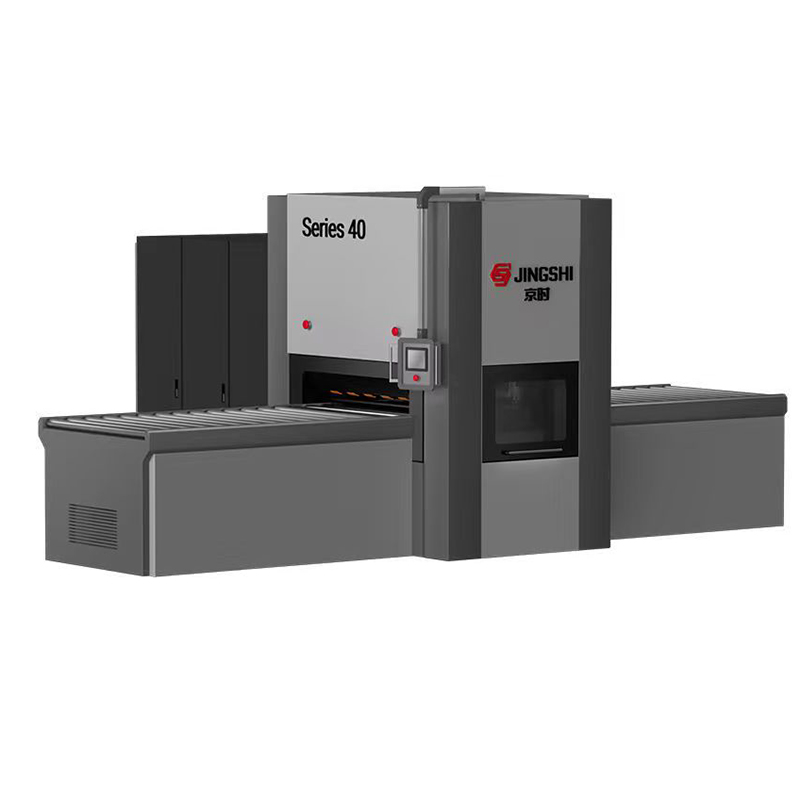
Roller configurations determine the ultimate flatness potential. The mechanical layout directly affects the total manufacturing cost.
Work rolls do the actual metal bending. They push the material past its yield point. This process resets the internal memory of the metal. The number of rolls dictates how many bending cycles occur. The diameter determines how sharply the metal bends. Smaller rolls bend material more aggressively. They require more backup bearings to prevent deflection. More rolls mean more bearings, gears, and drive shafts. Costs scale linearly alongside total roll counts.
A 40-roll hydraulic leveling machine offers excellent industrial performance. It presents a highly balanced cost profile. It handles medium to thick materials perfectly. The roll diameters stay relatively large. They penetrate the metal deeply enough to remove coil set. Operational efficiency remains high. Maintenance access stays relatively simple. General fabricators prefer this layout. It hits the perfect sweet spot between price and capability.
Precision applications demand higher roll counts. A 50-roll hydraulic leveling machine carries a premium price tag. More rolls mean smaller diameters. Smaller rolls attack complex wave defects aggressively. They eliminate edge waves and center buckles completely. They remove stubborn cross-bows. Highly sensitive applications require this exact setup. Aerospace components need absolute flatness. Thin-gauge electronics demand perfect material surfaces. You pay extra for the dense mechanical packaging. You receive flawless material in return.
The purchase price only represents the beginning. True facility integration requires careful logistical planning. You must account for physical installation realities.
Foundation & Installation: Heavy machinery requires extremely stable footing. You must assess your current concrete floor. High-tonnage levelers often need reinforced foundation pits. You must hire structural engineers. Rigging companies charge substantial fees to move heavy equipment. Mechanical leveling during setup takes time. Millwrights must align the machine perfectly.
Consumables Handling: Industrial systems consume fluids regularly. You must manage hydraulic oils constantly. High-pressure filters require routine replacement protocols. Work rolls endure constant surface friction. They eventually wear down over time. You must plan for regrinding services. Some unique applications require special roll recoating. Planning for these physical realities prevents production surprises.
Downtime & Training: Installing new equipment disrupts normal operations. Integrating a leveler into an existing line halts production. Cut-to-length lines sit idle during installation. Stamping presses wait for material. Operators also face a learning curve. Advanced CNC interfaces require dedicated training sessions. Software familiarization takes time. Anticipate slower initial production rates.

Selecting the right partner matters more than finding the lowest price. A reliable leveling machine manufacturer guarantees your long-term success. You must audit their capabilities rigorously.
Assess their internal engineering strength. Do they design custom roller layouts? Your specific material yield strength might require unique geometry. Avoid companies selling strictly off-the-shelf units. Generic machines often fail on challenging materials. Ask about their finite element analysis (FEA) capabilities. Look for engineers who understand deep plasticity calculations.
Never skip Factory Acceptance Testing. Demand a rigorous FAT protocol. Send your actual raw material to their facility. Watch them run your coils through the machine. Measure the output flatness yourself. Insist on meeting your tolerances before final sign-off. This step prevents catastrophic integration failures. It holds the supplier accountable.
Review the warranty terms meticulously. Machines will eventually experience issues. How fast can they fix it? Evaluate their domestic parts availability. Ensure they stock critical hydraulic valves locally. Ask about typical technician dispatch times. A machine sitting idle destroys your production schedule. Strong SLAs protect your operations.
Capital expenditures require solid financial justification. A modern hydraulic flattening machine generates immediate operational improvements through multiple specific channels.
Bowed material ruins downstream processes. A bowed sheet causes laser cutting head crashes. A crashed laser costs thousands in replacement lenses. It also costs hours of lost production. Stamping presses jam when fed wavy coils. Eliminating rejected parts saves massive amounts of money. Flat material ensures seamless manufacturing.
Manual flattening methods waste human potential. Press brake operators spend hours bumping wavy plates. Heat shrinking requires highly skilled artisans. These methods move slowly. They produce inconsistent results. Automated continuous leveling finishes the job in seconds. You process metal in a single pass. You can reallocate skilled workers to more profitable tasks.
Faster line speeds translate into higher capacity. Old mechanical levelers often bottleneck entire production lines. Modern hydraulic systems run much faster. They process more tons per hour. Increased capacity means you can accept more orders. Higher output realizes revenue faster.
Initial price quotes tell only part of the story. The cheapest upfront option often introduces hidden risks. Budget machines frequently cause higher scrap rates. They suffer from extended maintenance downtime. Smart buyers look beyond the sticker price. They evaluate exact engineering specifications instead.
Here are your actionable next steps:
Define a strict Material Specification Sheet before contacting suppliers.
Document your absolute maximum material width and minimum thickness.
Record the highest yield strength your facility currently processes.
Request precise apples-to-apples quotes based on these exact metrics.
Demand detailed mechanical drawings to verify structural integrity.
A: Custom machinery requires significant engineering and fabrication time. Lead times typically range from 3 to 8 months. Complex automation systems extend this timeline. Global supply chain disruptions can delay specialized hydraulic components. Always confirm guaranteed delivery dates in your initial contract.
A: Retrofitting is physically possible but rarely cost-effective. Upgrading requires replacing the entire upper frame section. You must install new cylinders, power units, and control software. The structural integrity of old frames often fails under modern hydraulic pressures. Purchasing a new system usually offers better reliability.
A: Regrinding timelines depend entirely on your material type and production volume. Processing abrasive materials like hot-rolled steel accelerates wear. High-volume, multi-shift operations might require regrinding every 12 to 18 months. Light-duty aluminum processing can extend roll life to several years. Inspect rolls quarterly.
A: Most manufacturers quote prices as EXW (Ex Works). This means you pay for all shipping, insurance, and rigging costs. Heavy machinery transport requires specialized flatbed trailers and wide-load permits. Always clarify shipping terms (Incoterms) upfront. Request a DDP (Delivered Duty Paid) quote to understand total landed costs.

