

Views: 0 Author: Site Editor Publish Time: 2026-07-08 Origin: Site


Metal fabrication constantly demands higher precision and tighter tolerances from steel and aluminum suppliers. Achieving strict flatness tolerances and eliminating residual stress in metal coils remains a core production challenge globally. Manufacturers fight material memory daily to produce perfectly flat, usable blanks for downstream processing.
You face a critical decision when upgrading your current processing line. Upgrading to a modern hydraulic leveling machine offers dynamic benefits, but you might also consider relying on traditional mechanical gap-control models. Your final equipment choice directly impacts daily throughput, operator safety, and long-term part quality.
This comprehensive guide provides a transparent, ROI-focused comparison to help you navigate this complex equipment landscape. We aim to help plant managers and procurement engineers match the right actuation technology to their specific production volume. By the end, you will understand exactly how material thickness, yield strength, and tolerance requirements dictate the ideal machinery setup.
Hydraulic systems offer dynamic, real-time gap control and overload protection, making them superior for high-yield, variable-thickness materials.
Mechanical levelers provide fixed, reliable performance with simpler maintenance requirements and lower initial capital expenditure.
Total Cost of Ownership (TCO) hinges on downtime: hydraulic systems require fluid maintenance and seal replacements, while mechanical systems face gradual gear and screw wear.
Partnering with an experienced leveling machine manufacturer is critical for ensuring proper roll configuration and post-installation support.

Understanding how machines manipulate metal requires looking inside the frame. Different internal mechanics determine how a machine handles tough material variations.
Traditional leveling equipment relies on mechanical force. Operators use motorized screw-jacks and worm gears to set the roll gap. Once the operator sets this gap, it remains entirely fixed during the production run. The machine applies constant pressure based on that initial manual setup.
This fixed-gap approach relies heavily on operator experience. If material thickness changes slightly within a coil, the machine cannot adjust automatically. The gears hold their position rigidly. While this provides excellent stability, it limits the machine's ability to adapt to sudden material inconsistencies.
Hydraulic systems take a completely different approach. They replace rigid worm gears with powerful hydraulic cylinders. These cylinders manage both the roll gap and the tilt of the roll bank. Sensors constantly read the pressure inside the cylinders during operation.
When material enters the machine, proportional valves allow for immediate micro-adjustments under load. The machine continuously measures the resistance of the metal. It then dynamically changes cylinder pressure up to a hundred times per second. This ensures perfect flatness even if the coil gauge fluctuates.
Metal must bend past its yield point to stay flat. You must transition the metal from elastic deformation into plastic deformation. High-tensile materials resist this transition aggressively. Hydraulic systems handle this resistance better because they adjust pressure dynamically. They push harder exactly when the material tries to spring back. Mechanical systems simply strain against their own gears during this critical transition phase.
Certain production environments absolutely require fluid power. If you process challenging materials, dynamic control becomes a non-negotiable feature.
Advanced high-strength steel requires immense force to yield. You should view this scenario as the primary use case for a heavy duty leveling machine. Thick plates and high-tensile coils create massive shock loads when they enter the roll bite. Hydraulic cylinders absorb these shock loads effectively. They act like heavy-duty shock absorbers, protecting the internal bearings from premature failure.
Machine frames inevitably stretch under extreme pressure. We call this frame deflection. When you process thick steel, the top and bottom frames push apart slightly. A hydraulic sheet leveler automatically compensates for this deflection during operation. The sensors detect the frame stretch. The proportional valves then drive the cylinders slightly deeper to maintain the exact desired gap. This ensures the first part matches the last part perfectly.
Mistakes happen on the production floor. Sometimes an oversized gauge or a double-sheet enters the equipment. Mechanical machines often suffer catastrophic roll or bearing failure when this occurs. Conversely, a hydraulic flattening machine offers built-in safety through pressure relief valves. If the pressure exceeds safe limits, the valves instantly open. The roll bank lifts safely, preventing thousands of dollars in mechanical damage.
Modern manufacturing requires flexibility. High-mix, low-volume production runs demand quick changeovers. Hydraulic systems integrate seamlessly with CNC controls. Operators can save specific hydraulic pressure parameters for different materials. When a new coil arrives, they simply recall the exact recipe from the computer. The cylinders move into precise position within seconds. This drastically reduces setup time compared to manually adjusting mechanical worm gears.
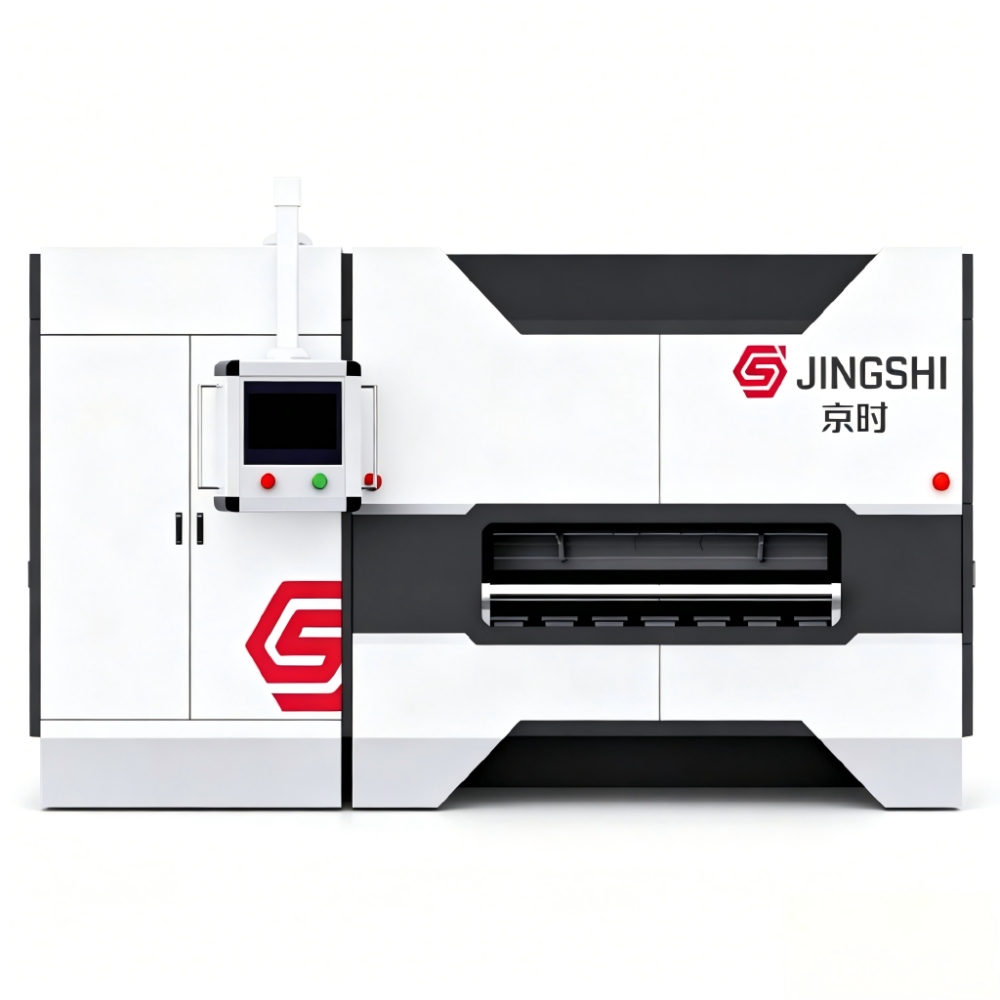
Despite the advanced capabilities of fluid power, traditional mechanical systems still hold significant value. Many service centers and fabrication shops find them perfectly suited for specific tasks.
Mechanical machines offer straightforward maintenance routines. They eliminate the need for hydraulic fluid, complex filtration systems, and the constant risk of high-pressure leaks. Plant mechanics often find worm-gear systems much easier to troubleshoot. Maintenance mostly involves regular greasing and periodic gear inspections. You avoid the specialized knowledge required to diagnose proportional valve failures.
Not every shop processes heavy armor plate. If you consistently run thin-gauge aluminum or mild steel, you face predictable yield strengths. The premium cost of hydraulic technology may not be justified here. Mechanical machines provide excellent, repeatable flatness for thin, consistent materials. You can achieve high-quality results without over-investing in unnecessary dynamic force capabilities.
Industrial environments face temperature shifts. Hydraulic oil temperatures naturally fluctuate over long production shifts. As hydraulic fluid heats up, its viscosity changes. If the machine lacks adequate cooling systems, this viscosity shift can slightly alter gap control accuracy. Mechanical systems do not suffer from these thermal expansion issues. Solid steel gears provide rigid, thermally stable performance regardless of shift length.
Below is a summary chart comparing the two main technologies:
Feature Category | Mechanical Leveling | Hydraulic Leveling |
|---|---|---|
Gap Control | Fixed during run | Dynamic, real-time adjustments |
Overload Safety | Low (Risk of gear/bearing breakage) | High (Instant pressure relief) |
Material Suitability | Thin to medium, consistent gauge | Heavy, variable, high-tensile |
Maintenance Focus | Greasing, gear wear checks | Fluid cleanliness, seal replacement |
Procurement teams must carefully weigh the financial implications of their machinery choices. Both systems present different investment profiles.
Initial acquisition costs vary significantly between technologies. Hydraulic systems generally demand a 20-40% price premium over mechanical counterparts. This higher CapEx covers the hydraulic power unit (HPU), complex manifold blocks, proportional valves, and advanced CNC integration. Mechanical systems require lower upfront capital, freeing up budget for other processing line upgrades.
Day-to-day running costs also differ. A hydraulic power unit consumes continuous electrical energy to maintain system pressure. You must also factor in regular fluid maintenance, filter replacements, and eventual cylinder resealing. Mechanical systems consume less baseline energy. Their motors generally only run during initial setup adjustments. However, you must contrast this against the potential cost of manual recalibration downtime. Mechanical gear wear happens gradually and can lead to expensive rebuilds if ignored.
Scrap reduction remains the fastest way to accelerate your payback period. Material defects like edge wave and center buckle ruin downstream processes. The dynamic adjustment capabilities of a hydraulic system actively reduce these defects. By constantly correcting the gap under load, you produce more usable blanks per coil. This drastic reduction in scrap metal often justifies the initial hydraulic price premium within the first two years of operation.

Selecting the right vendor is just as crucial as selecting the right technology. You must partner with a manufacturer who understands your specific material challenges.
Never purchase machinery based solely on a brochure. Require strict engineering validation from any potential vendor. Follow these crucial steps:
Send your toughest, most inconsistent material samples to their facility.
Request a live demonstration of the leveling process.
Demand documented proof of flatness metrics using a certified surface plate.
Verify that the machine successfully removed all trapped residual stresses.
A reputable vendor will welcome this validation process. They will use the resulting data to engineer the perfect machine frame for your needs.
Your manufacturer must match the machine's roll density to your material. Standard 4-hi or 6-hi setups work well for general fabrication. However, specialized applications demand specialized setups. For example, if you process micro-precision foils or delicate wire meshes, you need extreme roll density. In such niche applications, evaluating a highly specialized 200-roll hydraulic leveling machine might be necessary to achieve perfect surface uniformity without marking the material.
Machinery requires lifelong support. When evaluating a leveling machine manufacturer, investigate their aftermarket service deeply. Check for guaranteed Service Level Agreement (SLA) response times. Ensure they maintain a large inventory of spare parts, especially proprietary hydraulic manifolds or specialized proportional valves. Furthermore, confirm that their control software offers ease of integration into your existing cut-to-length lines or stamping presses.
Your production requirements must dictate your equipment choices. The decision between fluid power and mechanical force shapes your operational efficiency for decades.
Choose hydraulic technology for high-tensile, variable-gauge, and tight-tolerance demands. The dynamic adjustment and overload protection offer unmatched reliability for tough metals.
Choose mechanical technology for predictable, thin-gauge, cost-sensitive operations. The lower initial cost and simpler maintenance make it highly effective for standard materials.
Conduct a comprehensive line-audit of your current production bottlenecks before making a purchase.
Consult heavily with engineering teams rather than buying strictly on initial price tags.
We encourage you to take proactive steps today. Request a material test or a technical consultation with an expert manufacturer. Use this baseline data to compare your current scrap rates against the potential savings of a machine upgrade.
A: Generally, no. Mechanical machine frames are not engineered to withstand the intense, dynamic forces generated by fluid systems. Upgrading to fluid power requires entirely different structural reinforcement to handle the shifting loads. Retrofitting is usually cost-prohibitive and dangerous. Upgrading means purchasing entirely new equipment.
A: Most industrial guidelines suggest replacing fluid every 2,000 to 4,000 operating hours. However, regular oil sampling is much more important than hourly schedules. Oil cleanliness dictates the lifespan of your proportional valves. Even microscopic contamination can cause valve failure, so strictly follow filter replacement schedules.
A: Yes. High-tonnage systems generate immense downward force and significant operational vibration. You must install them on specially engineered, reinforced concrete pads. This heavy foundation mitigates vibration transfer to the rest of your facility and ensures the machine frame stays perfectly aligned over decades of heavy use.

