

Views: 0 Author: Site Editor Publish Time: 2026-07-27 Origin: Site


Achieving consistent sheet metal flatness remains a persistent manufacturing bottleneck for many fabrication shops. Operators often rely on intuition and guesswork to flatten metal blanks effectively. Facilities tolerate high scrap rates and inconsistent yields simply to keep production moving. Today, modern metal fabrication demands much tighter tolerances than ever before. Aerospace, automotive, and electronics sectors require perfectly flat panels to feed automated laser cutting and high-speed stamping lines. This dramatic shift pushes forward-thinking shops toward intelligent, automated equipment. Our comprehensive guide provides an objective, data-backed comparison to support your capital equipment purchasing decisions. We evaluate the modern CNC leveling machine against traditional mechanical systems. We will break down operational economics, precision capabilities, and adoption risks thoroughly. You will learn how automated controls eliminate operator dependency and drastically reduce material waste. By analyzing performance metrics and setup differences carefully, we help you choose the right leveling technology for your production floor.
Precision & Consistency: CNC systems replace operator intuition with data-driven algorithms, achieving repeatable flatness even on high-yield materials.
Operational Economics: While traditional systems have lower initial capital requirements, CNC machines offset costs through reduced scrap, faster setup times, and lower labor dependency.
Material Capability: Advanced servo-driven systems handle complex internal stresses in specialized materials (e.g., perforated sheets, high-tensile steel) more effectively than standard manual roller levelers.
Integration: Upgrading requires evaluating current floor operations, operator technical readiness, and automation compatibility.
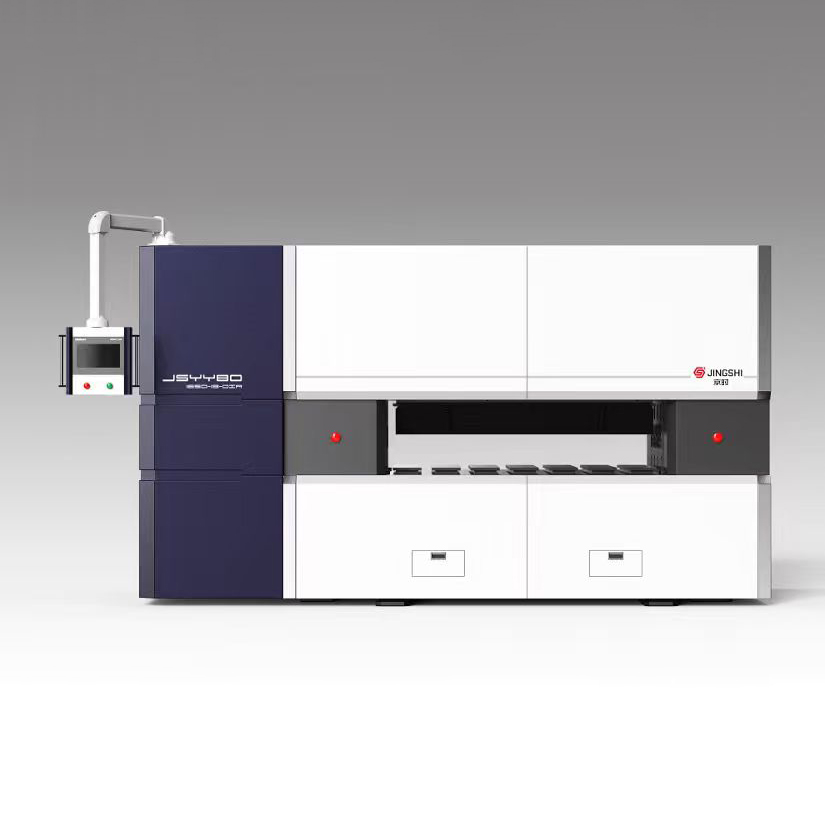
Traditional Mechanical Systems (The Baseline) establish the foundation of early metal processing. Older leveling setups rely heavily on manual roll adjustments. Operators turn mechanical handwheels or activate basic motorized screw jacks to alter pressure. This structural design creates an immense reliance on operator experience. Workers use basic trial and error to determine proper roll penetration. They guess the correct gap setting for each new batch of metal. These older cast-iron frames suffer inherent vulnerability to thermal expansion. Mechanical wear increases significantly over long, continuous production shifts. Bearings heat up. Tolerances drift unpredictably. You constantly adjust the machine to compensate for these physical changes on the floor.
The modern approach completely transforms this workflow. Intelligent machines integrate sensitive load sensors, programmable logic controllers (PLCs), and extensive digital memory banks. Operators simply select predefined material recipes from a touchscreen. A high-end servo precision leveling machine utilizes independent roll adjustments to manipulate the metal. It dynamically controls the roll gap while under heavy physical load. The control system provides real-time deflection compensation automatically. It reacts instantly when the metal enters the rollers. We observe a stark contrast in setup processes between the two methods. Manual systems require hand-held calipers, straightedges, and visual checks. CNC models use automated thickness scanning. They execute rapid auto-calibration routines before the first metal sheet ever enters the machine.
Best Practice: Always store validated material settings in your digital library. This guarantees your night shift achieves the exact same results as your day shift.
We must contrast the typical flatness output of both technologies. Manual systems usually deliver 1-2 mm/m flatness on a good day. They struggle to hold this tolerance across different material batches. A modern CNC precision leveling machine pushes these tolerances to 0.1 mm/m or better. It does this consistently without mid-run adjustments. We must also address the issue of material springback. Metal naturally wants to return to its original deformed shape. Automated data correction calculates this specific springback factor. The machine over-bends the material precisely to neutralize internal stresses. It eliminates frustrating variables effectively.
Let us analyze the massive time cost of manual trial runs. A skilled operator might spend thirty minutes dialing in a traditional machine. They typically scrap three or four expensive blanks during this calibration process. An automatic sheet metal leveling machine changes this dynamic entirely. It reduces changeover times from hours or minutes down to mere seconds. You just tap a saved material profile on the interface. The servo motors adjust all roll gaps simultaneously. Throughput increases dramatically, keeping downstream welding and bending stations fed.
We evaluate performance on highly challenging materials next. High yield strength metals need specialized handling protocols. A dedicated stainless steel leveling machine profile prevents surface marring during high-pressure passes. Traditional machines face severe performance drops when processing laser-cut parts. Laser cutting introduces extreme thermal distortion along the cut paths. The outer edges harden significantly. Manual levelers often choke on these uneven internal stresses. Intelligent systems adapt their pressure to flatten the sheet safely without stalling.

Upfront Capital Expenditure (CapEx) requires realistic framing. We acknowledge the noticeable price gap immediately. CNC equipment carries a significant initial price premium. Traditional mechanical systems remain highly affordable at the initial purchase stage. However, looking only at the initial sticker price deceives many facility managers. We must evaluate the long-term cash flow implications.
Operating Expenses (OpEx) reveal hidden financial drains in traditional setups.
Labor Costs: Highly skilled manual operators remain scarce and demand premium wages. Automated systems require only single-operator supervision. Less experienced workers run them safely and effectively.
Scrap & Rework: Manual trial-and-error ruins multiple sheets per setup. Over a fiscal year, this scrap material costs tens of thousands of dollars. Automated setups virtually eliminate this calibration waste.
Maintenance Cycles: Mechanical wear-and-tear drives replacement costs up steadily. Traditional gears and manual jacks wear out fast under load. Automated machines require routine sensor calibration but experience far less destructive mechanical grinding.
Payback period assumptions depend on your specific operations. Define your production volume clearly. High-mix, low-volume shops see the fastest return on investment. They perform frequent setups daily. Automation cuts setup time drastically. Low-mix, high-volume shops also benefit immensely. They enjoy zero machine drift over week-long production runs. You must evaluate part complexity. Complex, expensive parts justify the technological investment quickly.
Evaluation Metric | Traditional Mechanical System | Modern Automated System |
|---|---|---|
Initial Capital Investment | Low to Moderate | Moderate to High |
Average Setup Time | 15 - 45 Minutes | 15 - 30 Seconds |
Labor Skill Requirement | High (Master Operator) | Low (Basic Training) |
Material Scrap Rate | High (Trial and Error runs) | Near Zero |
Maintenance Focus | Heavy Mechanical Replacements | Sensor Calibration & Software |
Upgrading requires careful facility planning and realistic floor integration. Assess your physical space requirements early. Advanced setups often need larger electrical cabinets. You might need dedicated power supply upgrades to handle the servo drives safely. Consider integration steps for existing automated feeding or stamping lines. Modern controllers use standard industrial network protocols. They communicate seamlessly with your existing robotic loaders and stackers.
The skills gap introduces real training challenges. Acknowledge the risk of operator pushback immediately. Veteran operators might distrust the new touchscreen interfaces. They often prefer physical handwheels and manual gauges. Detail the shift in daily required skills. Workers move away from mechanical troubleshooting. They transition to software interface management and digital recipe tuning. You must train them comprehensively on data entry.
What to watch out for: Skipping formal software orientation leads to bypassed safety limits. Operators might corrupt material recipes if they do not understand the digital interface logic.
Accept the reality of proprietary software maintenance. You cannot fix a logic controller with a standard wrench. Sensor calibration needs strict adherence to maintenance schedules. The importance of OEM service level agreements becomes highly critical. You need prompt remote diagnostics to prevent prolonged downtime. Make sure your chosen vendor offers robust technical support and fast software updates.

Sometimes, retaining older technology makes the best business sense. Keep traditional machines for low-budget, entry-level operations. They handle thick, forgiving materials easily. Use them when precision requirements remain relatively low. Highly standardized, rarely changing production runs do not require lightning-fast changeovers. If your shop processes the exact same mild steel plates every day, manual adjustments suffice perfectly.
However, modern demands often force a strategic upgrade. Upgrade if you run a high-mix production facility. If you process various thicknesses and materials daily, you desperately need automation. Supply chains in aerospace and automotive require strict quality compliance. They demand documented, traceable tolerances. Facilities struggling with severe skilled labor shortages must automate to survive. High scrap costs and rejected batches justify the equipment upgrade alone.
We recommend a structured approach for your shortlisting next steps:
Audit your current scrap rates over a three-month period to find hidden costs.
Define your exact flatness tolerance targets for upcoming lucrative contracts.
Calculate your average daily setup time across all operating shifts.
Request time-studies and physical part-test runs from OEM manufacturers.
The choice is not simply about acquiring better technology for your shop floor. It involves aligning equipment capabilities directly with your business scale. You must carefully consider material complexity and long-term labor strategies. Automated technology provides unbeatable consistency and protects you against skilled labor shortages. Traditional systems offer unmatched initial affordability for highly standardized work.
We encourage proactive buyers to schedule a physical material test run. Send your toughest, most warped blanks to a leveling specialist. Let them process your metal on their advanced machines. Consult with them to map the exact operational return on investment for your specific sheet metal applications. Seeing the tangible data helps you secure leadership approval.
A: Yes, but with strict limitations. Achieving flat, mar-free surfaces on stainless requires highly precise roll pressure and specialized roll coatings. These variables are much easier to control and replicate on a CNC system. Traditional machines often struggle to maintain the consistent, even pressure needed to prevent surface damage on sensitive stainless finishes.
A: Most operators become proficient within a few days to a few weeks. Intuitive touchscreen interfaces and pre-saved material recipes simplify the entire process dramatically. This rapid onboarding timeframe contrasts sharply with the multiple years of hands-on experience required to master manual leveling intuition.
A: While theoretically possible, retrofitting often proves highly impractical. Adding servos, PLCs, and updating structural frame rigidity carries immense engineering costs. The original mechanical frames usually lack the extreme stiffness required for micro-precision. Full machine replacement is almost always more cost-effective than attempting a complex retrofit.
A: Servo motors provide instantaneous micro-adjustments while the machine operates under heavy physical load. They work alongside advanced sensors to monitor material resistance continuously. This capability allows servo precision leveling machines to compensate for machine frame deflection in real-time.

